Raising Money‑Wise Kids with Calm Hearts and Clear Heads
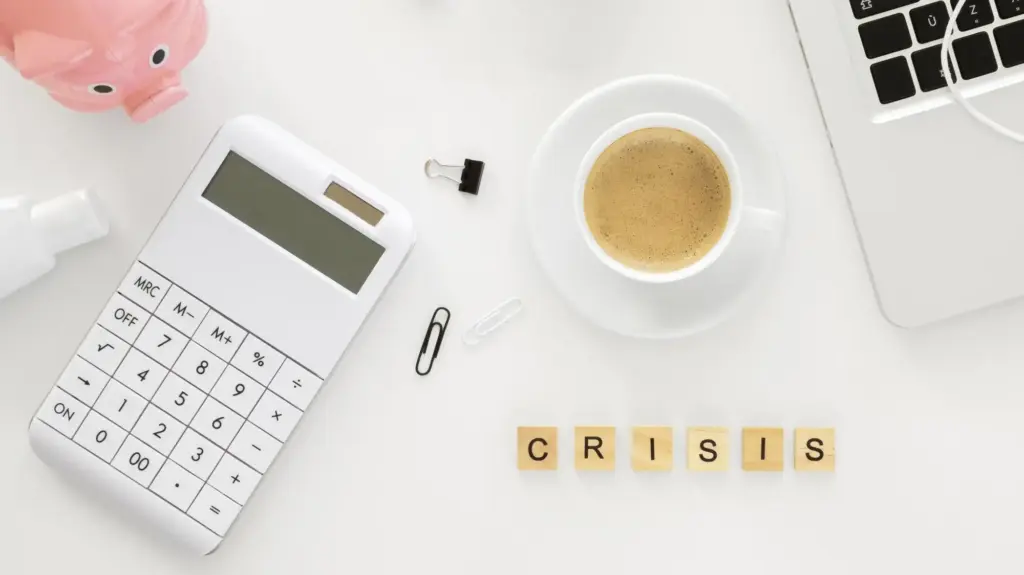
Today we explore how to teach kids smart money habits by nurturing the classical virtues of temperance and prudence. Through stories, playful routines, and practical tools, you’ll help children pause before spending, think ahead with confidence, and enjoy purposeful saving, sharing, and earning. Join the conversation, try the ideas, and tell us what works at home.

The Two Virtues in Kid Language

Temperance becomes the friendly pause button that helps a child breathe through a want, while prudence becomes the flashlight that shows tomorrow’s path. Explain with birthday money: wait two days, compare options, imagine how it will feel next week, then choose calmly.

Wants, Needs, and Wishes Game

Lay out pictures of items and three baskets labeled need, want, and wish. Children discuss reasons, practice temperance by moving exciting wants into the wish basket, and apply prudence by planning when and how a true need will be met responsibly.

Family Money Meetings

Hold a ten-minute weekly check‑in where kids share goals, parents model tradeoffs, and everyone celebrates progress. Use calm tones, predictability, and short agendas to make virtue visible, turning routine conversations into character practice and supportive accountability that naturally strengthens decisions.

Three Jars, One Compass

A simple Spend–Save–Give system acts like a child-friendly compass, pointing choices toward balance. Temperance guides slower spending through waiting rules, while prudence turns dreams into plans with dates and amounts. Transparent jars, trackers, and matching contributions make progress tangible, encouraging patience, clarity, and generosity.

The Joy of Waiting Well

Delaying gratification is not punishment; it is training the heart to breathe before acting. Research like the famous marshmallow studies, updated with context, suggests practice matters. Build small delays daily so children experience mastery, not deprivation, and discover satisfaction that lasts longer than any impulse.

Smart Choices at the Store

Shopping becomes a classroom when kids learn to compare unit prices, read labels, and question urgency. Show how needs guide lists, sales are sometimes distractions, and alternatives like borrowing or buying used exist. Prudence evaluates options; temperance resists pressure and keeps priorities steady.

Unit Price Detective

Teach children to calculate cost per ounce or per piece, noticing how bigger packages are not always cheaper. Hand them the phone calculator, let them lead the comparison, and celebrate the moment they find a better value than an eye‑catching brand.

Sale Doesn’t Mean Now

Explain how discounts are invitations, not commands. Practice saying, “It’s a great price, but not on our list,” and praise the courage to walk away. Children discover that restraint protects goals, and opportunities return when timing and purpose finally agree.

Reviews, Returns, and Risk

Before buying, read a few balanced reviews together, locate the return policy, and discuss what could go wrong. Prudence weighs risk and backup plans; temperance slows the heartbeat so decisions stay calm, practical, and aligned with family values and budgets.

From Piggy Banks to Pixels

Money increasingly moves through screens, so kids need guidance before their first tap. Demonstrate how cards, apps, and subscriptions work, along with passwords, privacy, and scams. Virtuous habits still apply online: pause, plan, verify, and remember that convenience should serve clarity, not override it.

First Card, First Guardrails

Start with a prepaid card or kid account that shows transactions instantly. Enable spending limits and category blocks, and review statements together weekly. The structure keeps curiosity safe while reinforcing that freedom grows with responsibility, thoughtful choices, and honest conversations about mistakes.

Subscriptions and Sneaky Renewals

Teach kids to spot free‑trial traps, auto‑renew toggles, and small print about cancellations. Create a household rule: no subscription without a calendar reminder and a shared review date. Prudence anticipates future costs; temperance limits convenience cravings that secretly drain savings.

Small Jobs, Big Lessons

Earning teaches dignity and tradeoffs faster than lectures. Encourage age‑appropriate work, from pet care to neighborhood help, and reflect on time, effort, and outcomes. Temperance tames the rush to spend; prudence prices fairly, plans supplies, and considers safety before saying yes.

The Lemonade Ledger

Turn a lemonade stand into a micro‑business lesson by listing ingredients, pricing cups, tracking revenue, and calculating profit. Discuss what to save, give, and reinvest. Children feel capable when numbers tell a story, revealing how patience and planning multiply opportunities next time.

Chore Contracts at Home

Agree on specific tasks, deadlines, and quality standards, then pay upon completion. Use simple checklists and a respectful renegotiation process. Prudence clarifies expectations; temperance helps stick with the job when energy dips, turning ordinary responsibilities into trustworthy, repeatable habits kids can be proud of.

Windfall Wisdom

Birthday cash and holiday envelopes invite big feelings. Decide ahead: a fixed give percent, a savings boost, and a small celebration spend. Having a plan steadies excitement so gratitude leads, impulsiveness quiets, and memorable generosity coexists beautifully with well‑funded long‑term goals.

Generosity that Grows Roots

Sharing builds empathy and perspective, helping kids understand money’s purpose beyond themselves. Use a Give jar, volunteer moments, and story-driven research about charities. Temperance preserves enough for needs; prudence verifies impact and sustainability so generosity becomes joyful, safe, and deeply connected to values.
Lumatemisanopiravanifarilivo
Privacy Overview

This website uses cookies so that we can provide you with the best user experience possible. Cookie information is stored in your browser and performs functions such as recognising you when you return to our website and helping our team to understand which sections of the website you find most interesting and useful.